If you cast your net wide, you speak to nobody
This campaign was built around a specific cohort: Spanish-speaking patients in the US and Puerto Rico managing rheumatoid arthritis, and the English-speaking family members who support them. Two distinct programs. Two distinct audiences. One shared goal.
One campaign. Two cohorts. Built precisely for each.
The most important decision in this campaign was not what to say, but who to say it to. Rather than building a broad Hispanic outreach effort that would resonate with no one in particular, the program was built around two clearly defined cohorts with different needs, different languages, and different roles in the patient journey.
The Spanish-language program was built for Spanish-speaking patients living in the United States and Puerto Rico who were managing rheumatoid arthritis. It gave them something rare: a mobile-first, IRB-approved educational module they could complete on their phone, paired with practical guides on DMARDs, insurance navigation, and how to advocate for themselves in conversations with their rheumatologist. Patients who completed the module were invited to join a WhatsApp community to receive ongoing education and support throughout the year.
The English-language program was built for a different but equally important audience: second and third generation English-speaking Hispanic family members who were actively engaged in their loved one's care. These are the people who accompany patients to appointments, research treatment options, and navigate the healthcare system alongside someone they love. The program gave them the tools, knowledge, and language to do that more effectively.
Two programs, built from the ground up for two cohorts


Spanish-language program
Spanish-speaking RA patients in the US and Puerto Rico
- IRB-approved mobile educational module
- DMARD guide
- Insurance navigation guide
- How to advocate with your rheumatologist
- WhatsApp community signup
English-language program
Second and third generation English-speaking Hispanic family members
- Insurance guide for family members
- Hispanic identity and generational mental health
- Podcasts and video series
- Conversations with rheumatologists
- How to advocate for your loved one
Cohort-specific program design is the operational standard FDA expects a Phase 3 DAP to meet.
FDA's guidance on diversity action plans is explicit: translated brochures and a bilingual 1-800 number will not satisfy rigorous review. What this campaign demonstrates is the alternative — two distinct programs for two distinct audiences, each built from the ground up with different resources, channels, and voices. That level of specificity, documented and operational, is the model behind site engagement plans, community partner activation strategies, and patient-facing material development in a Phase 3 DAP. Generic Hispanic outreach does not produce enrollment. Cohort-specific design does.
FDA Diversity Action Plan Advisory →Health literacy barriers are structural, not personal
When a rheumatologist visit feels overwhelming, it is not the patient's fault. Four compounding forces make Hispanic RA care harder than it needs to be, and generic outreach doesn't address any of them.
overlapping structural barriers shape the Hispanic RA patient experience
What each program delivered
Two programs, each built from the ground up for a different audience, with different resources, formats, and voices.
IRB-Approved Mobile Educational Module
A gamified, mobile-first educational experience built specifically for Spanish-speaking RA patients, approved under IRB protocol, and designed to be completed on a phone, not a desktop.
DMARD Guide in Spanish
A plain-language guide to disease-modifying antirheumatic drugs, addressing the questions patients actually have: what DMARDs are, how they work, what to expect, and how to have informed conversations about them with a provider.
Insurance Navigation Guide
A step-by-step resource for navigating insurance reimbursement for RA treatment in Spanish, covering eligibility, prior authorization, and how to appeal denials.
How to Advocate with Your Rheumatologist
A guide built around the reality that many Hispanic patients feel unheard in clinical settings, giving them language, questions, and strategies to advocate clearly for themselves in specialist appointments.
Patient Testimonials
First-person accounts from Spanish-speaking RA patients, reinforcing that others had faced the same barriers, made similar decisions, and found pathways through the same system.
WhatsApp Community Signup
Patients who completed the educational module were invited to join a WhatsApp community to receive ongoing education, support, and resources throughout the year, not just during Heritage Month.
Hispanic Identity and Mental Health
A podcast and video series exploring the generational layers of Hispanic identity and their connection to mental health, featuring guests who spoke honestly about how cultural stereotypes shape health behaviors across generations.
Conversations with Rheumatologists
Rheumatologist-led discussions giving English-speaking family members direct guidance on how to support a loved one with RA, what questions to bring to appointments, and how to interpret and act on clinical information.
How to Advocate for Your Loved One
Practical guidance for family members navigating the healthcare system on behalf of a Spanish-speaking patient, covering how to communicate across language and generational gaps in a clinical setting.
Insurance Guide for Family Members
A companion insurance resource built for the English-speaking family member who often handles insurance paperwork and benefits navigation on behalf of the patient.
Health Equity Focus
Content grounded in health equity research, helping family members understand the systemic factors behind disparities in Hispanic RA care and how to navigate them effectively.
Community Storytelling
Stories from Hispanic families navigating RA together, validating the caregiver experience and demonstrating that the challenges of supporting a loved one through chronic illness are shared across the community.
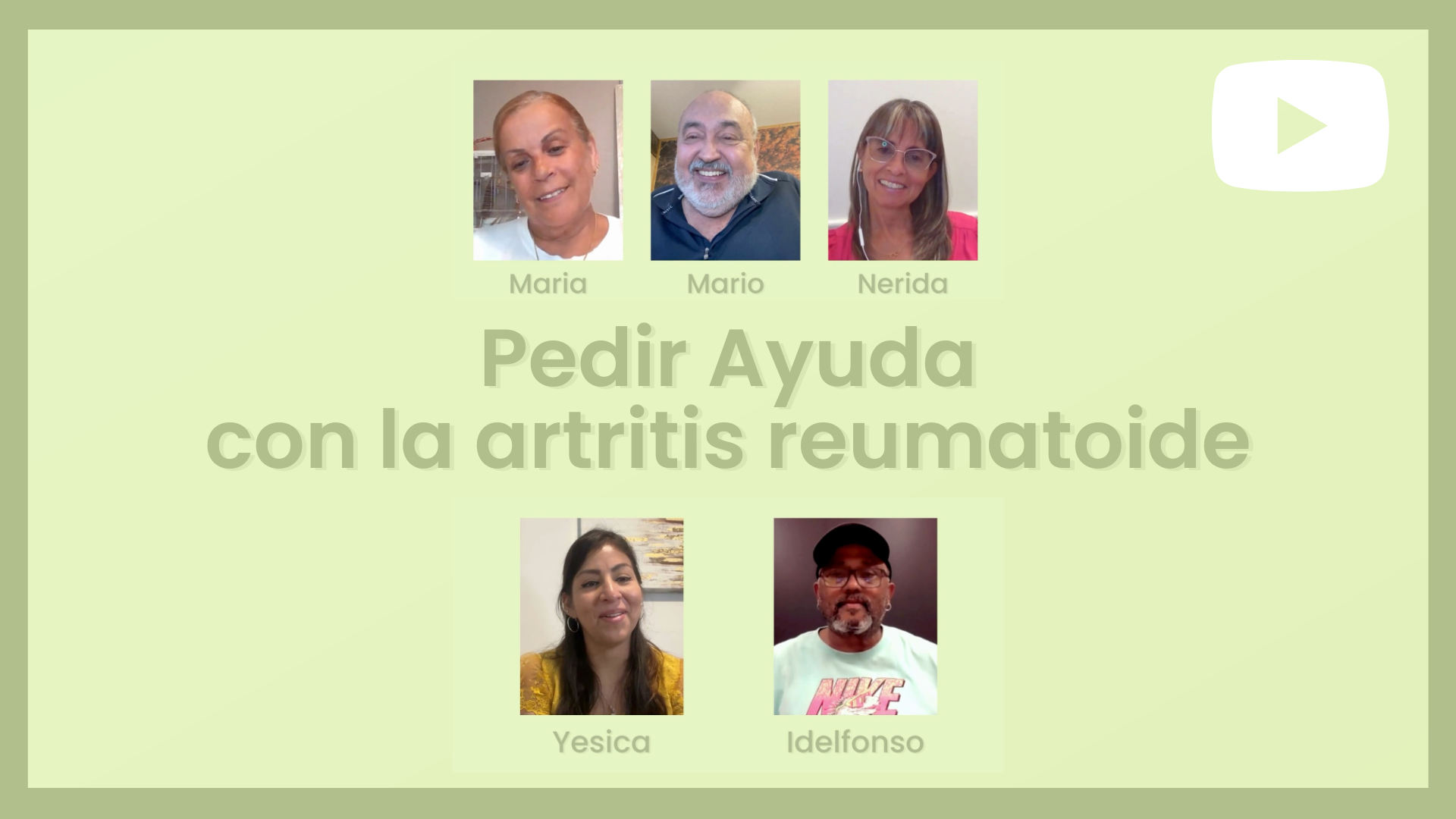
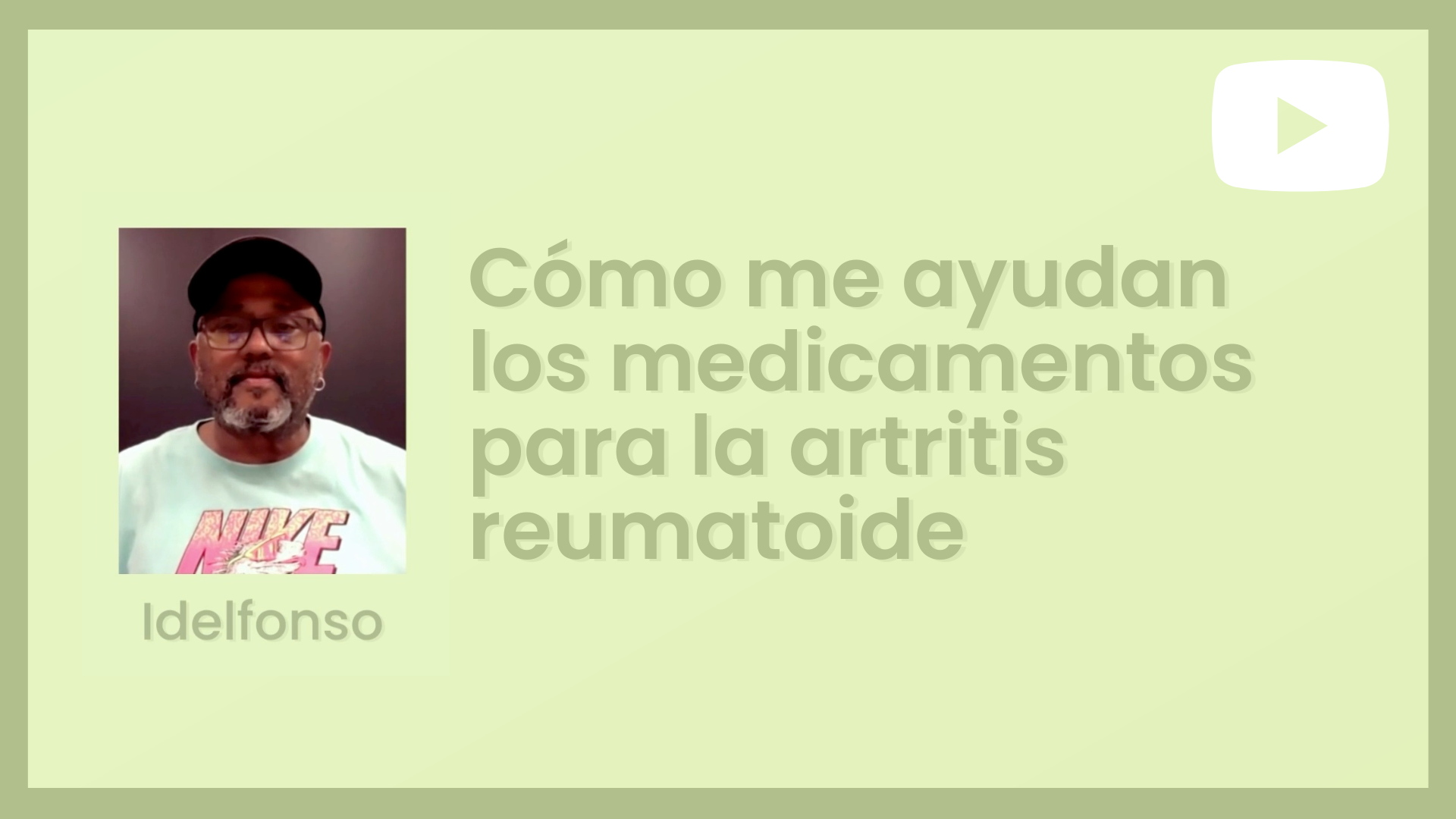
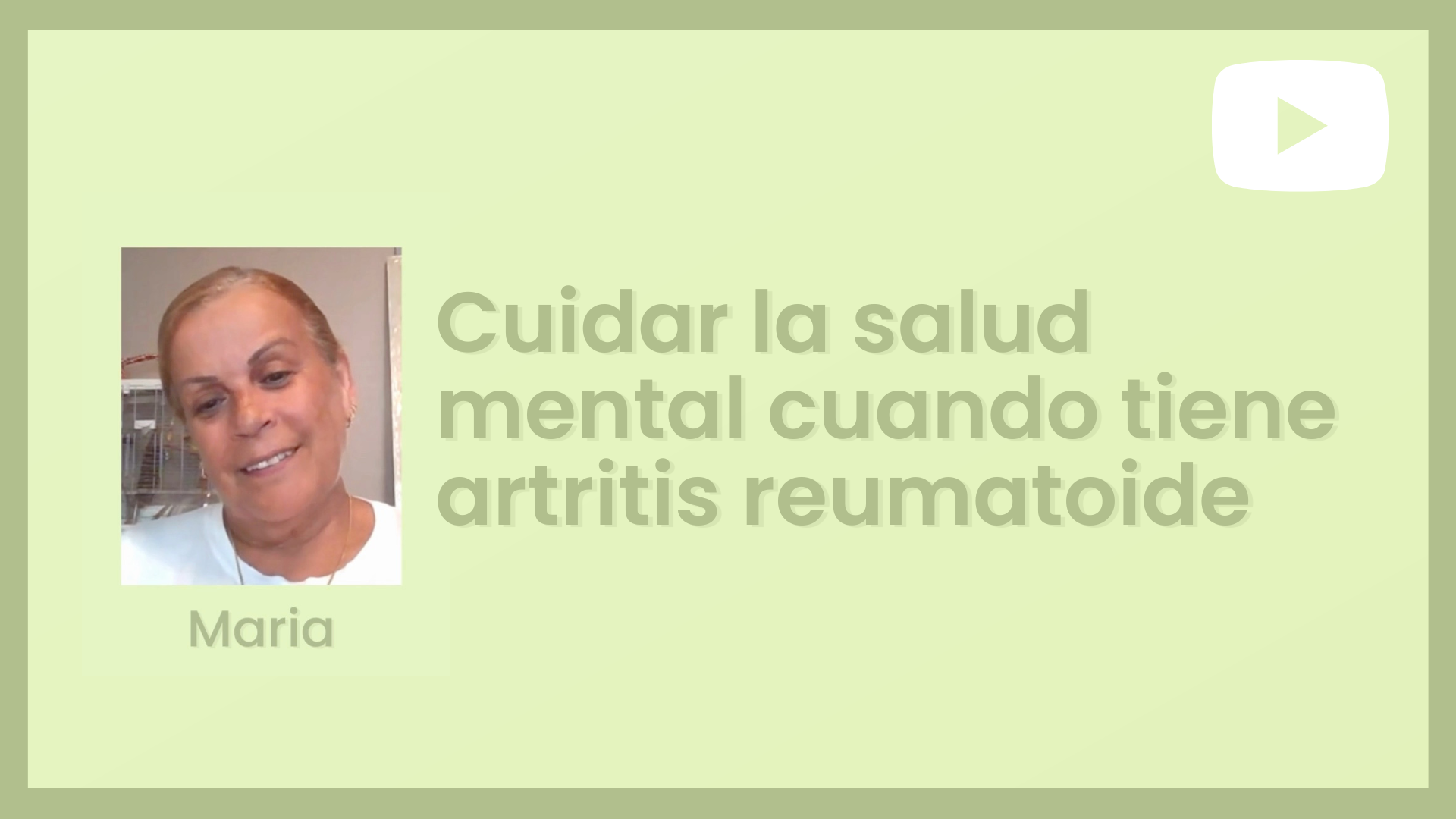
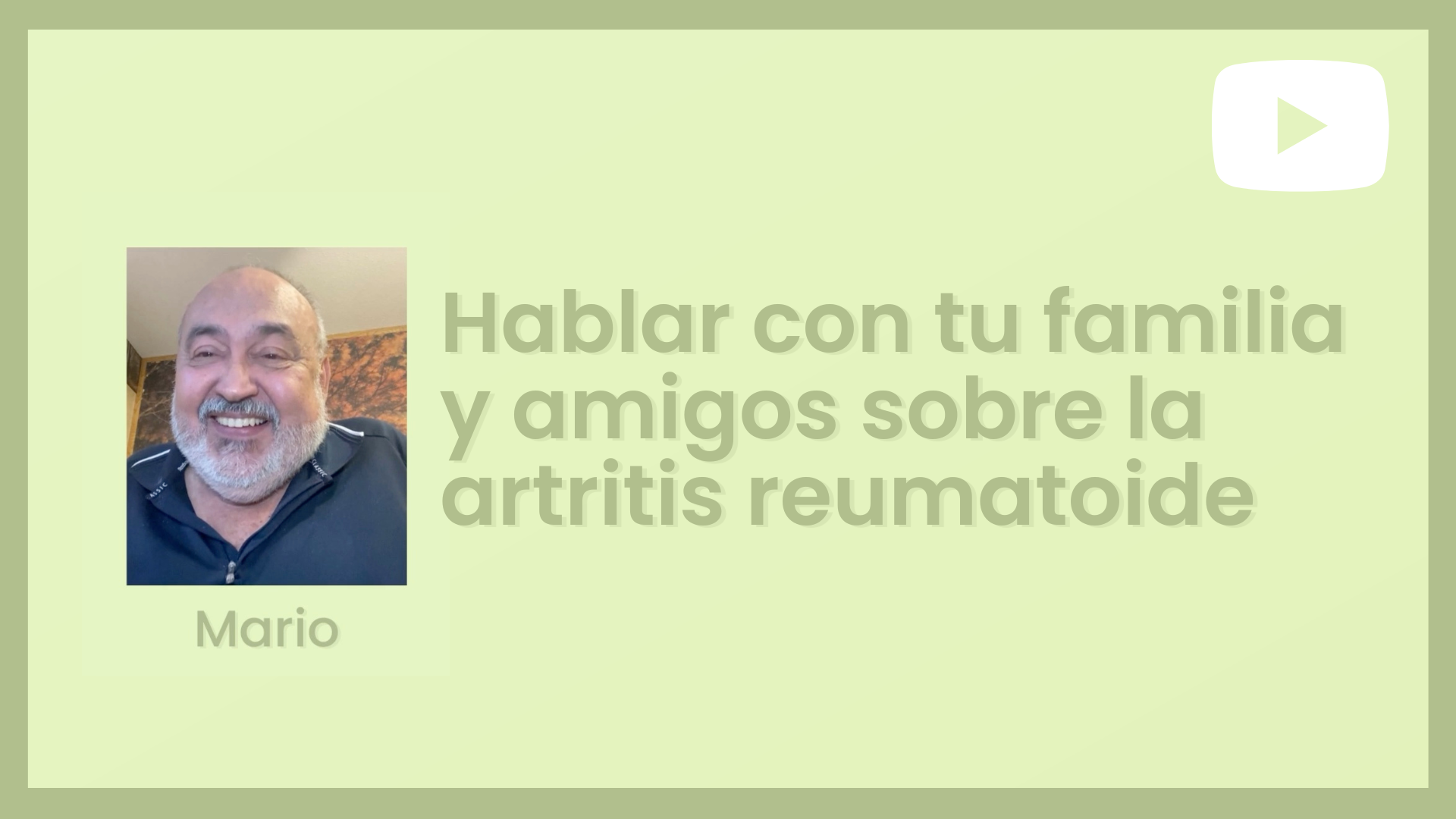
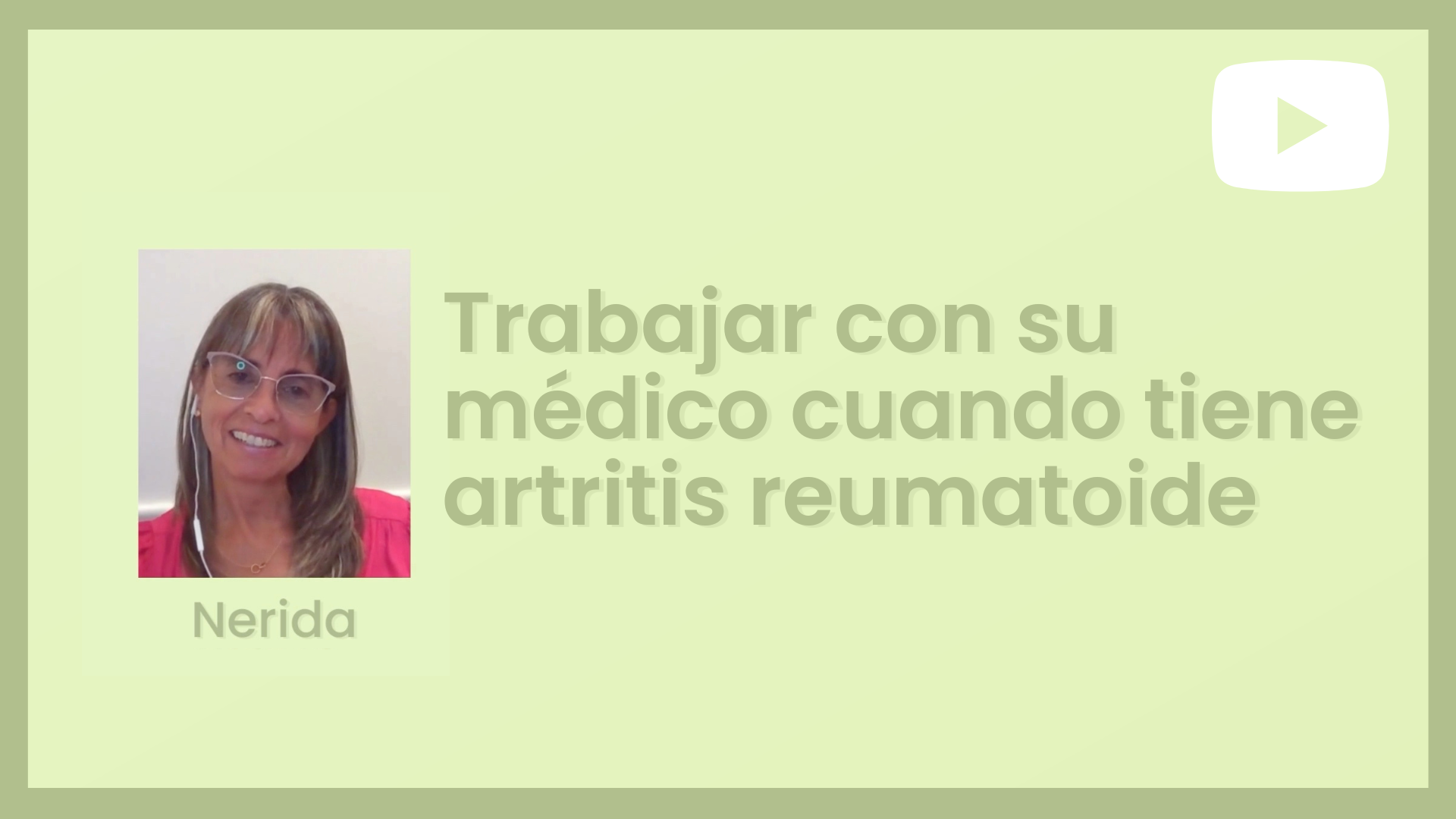
Spanish-language patient education videos
Patient-facing video content produced for the Spanish-language program, covering RA management, treatment options, and how to navigate the healthcare system as a Spanish-speaking patient.
Precision beats reach every time
The case for cohort-specific Hispanic outreach
The instinct in most outreach programs is to broaden the audience to maximize impact. This campaign took the opposite approach: narrow the cohort, deepen the relevance, and build something that speaks precisely to the people it was made for. A Spanish-speaking RA patient in Puerto Rico and a third-generation English-speaking family member in New Jersey have different questions, different relationships to the healthcare system, and different channels they trust. One program cannot serve both well.
For medical affairs teams, research organizations, and patient advocacy foundations, this program is a demonstration of what separates outreach that performs from outreach that merely exists. The difference is not budget or production value. It is whether the program was designed for the people it claims to serve.
What this model delivers
- Cohort-specific content that speaks precisely rather than broadly.
- Clinically grounded resources: IRB-approved, DMARD-specific, and advocate-ready.
- Family-inclusive design that reflects how Hispanic health decisions are actually made.
- Sustained engagement beyond the campaign moment through WhatsApp community.